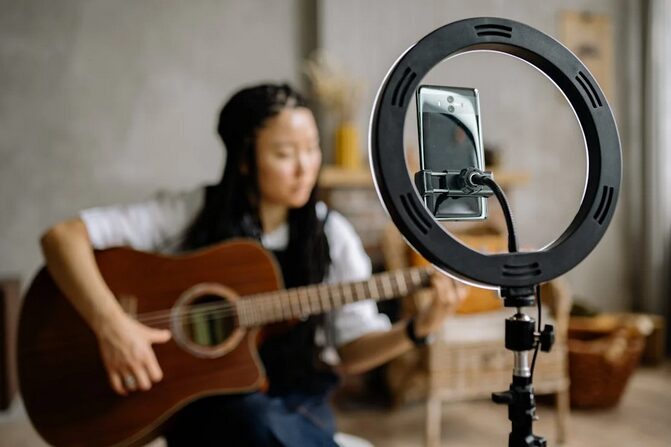
Social media has transformed the way music is discovered, shared, and appreciated—especially for independent artists. In the past, breaking into the music industry often required a record deal or radio airplay. Today, indie musicians are building careers directly from their phones, using platforms like TikTok, Instagram, and YouTube to reach massive audiences. This shift has not only leveled the playing field but also redefined what it means to be successful in the music world.
Direct Access to Fans and Feedback
One of the most powerful aspects of social media is its ability to connect musicians with listeners without a middleman. Indie artists no longer need to wait for a label to permit them to release music. They can share songs instantly, test different sounds, and get direct feedback from fans. The immediate response allows artists to refine their style, build a loyal following, and even go viral—all from their home studio.
TikTok: A New Hitmaker
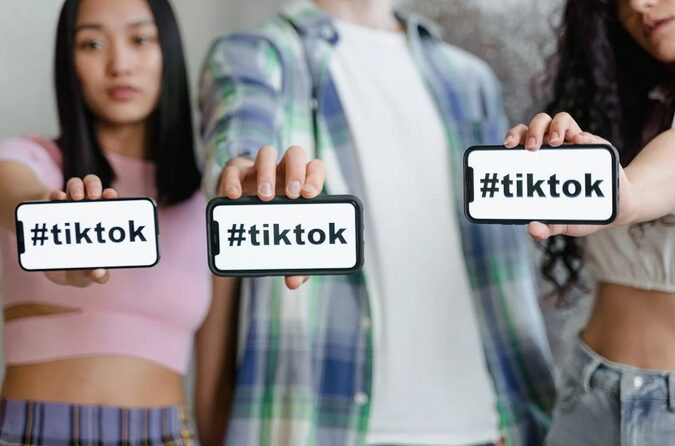
Among all platforms, TikTok has emerged as a particularly influential space for musicians. Short-form videos featuring music clips can spark trends, challenges, and remixes that rapidly push songs into the mainstream. What makes this especially important for indie musicians is that the algorithm favors engagement over name recognition. A catchy hook or creative video concept can get an unknown artist millions of views and new fans overnight.
YouTube and Instagram for Storytelling and Branding
While TikTok leads in discovery, platforms like YouTube and Instagram are critical for long-term engagement. YouTube offers a space for music videos, behind-the-scenes content, and full-length performances. Meanwhile, Instagram allows artists to build personal connections with fans through stories, reels, and live streams. Together, these platforms help musicians craft a consistent brand and tell their story beyond the music itself.
Monetization and Independence
With growing visibility comes the opportunity for indie artists to earn income on their terms. Platforms offer monetization tools such as ad revenue sharing, merchandise integration, and fan donations. Services like Patreon and Bandcamp further allow musicians to sell music directly and build subscriber-based support systems. This model provides artists with creative freedom while still making a living from their art.
Community and Collaboration
Social media also fosters collaboration across borders and genres. Artists can duet, remix, or co-write with peers they’ve never met in person. Hashtags, comments, and group chats lead to organic partnerships and shared audiences. These connections often result in genre-blending sounds and innovative approaches that challenge the industry norm.
The rise of indie musicians on social media platforms marks a significant evolution in how music careers are launched and sustained. By embracing these tools, independent artists have more power than ever to create, share, and profit from their work without sacrificing creative control. In a digital world where authenticity and direct connection matter, indie musicians are finding success on their terms—and inspiring the next generation to do the same.